Jade Peartree's Blog

My professional reflections and documentation

Menu

Main menu

Skip to primary content
Skip to secondary content
  • Who is Jade Peartree?
  • AITSL Teacher Standards
  • Professional Knowledge
    • 1. Know students and how they learn.
    • 2. Know the content and how to teach it.
  • Professional Practice
    • 3. Plan for and implement effective teaching and learning.
    • 4. Create and maintain supportive and safe learning environments.
    • 5. Assess, provide feedback and report on student learning.
  • Professional Engagement
    • 6. Engage in professional learning.
    • 7. Engage professionally with colleagues, parents/carers and the community.

Monthly Archives: January 2026

Occupational Therapy: Tatiana Arellano

Posted on January 29, 2026 by Jade Peartree
Reply

Neurodivergence in the Classroom

Thursday 22nd January, 2026 1:30-3:30pm (2 hours PD)

Presenter: Tatiana Arellano, Occupational Therapist & Director of Skills for Learning 

Tatiana’s Business: Skills for Learning:
http://skillsforlearning.com.au/index.html

A little about Tatiana from her website:

“Tatiana qualified as an Occupational Therapist in 2000 from the University of South Australia. She has since worked interstate and internationally to develop her knowledge and expertise in a wide range of clinical and academic areas of practice”.

“Tatiana has a strong commitment to providing evidence based, current and relevant therapeutic services to families and key stakeholders within their natural environment. Tatiana has a strong emphasis on empowering her clients to identify their own learning needs and assist them to create individualised learning objectives. Tatiana uses relevant, realistic strategies based on current child development theory and practice, and uses standardised assessments and outcome measures to identify relevant goals and impact of intervention”.

Personal Note:
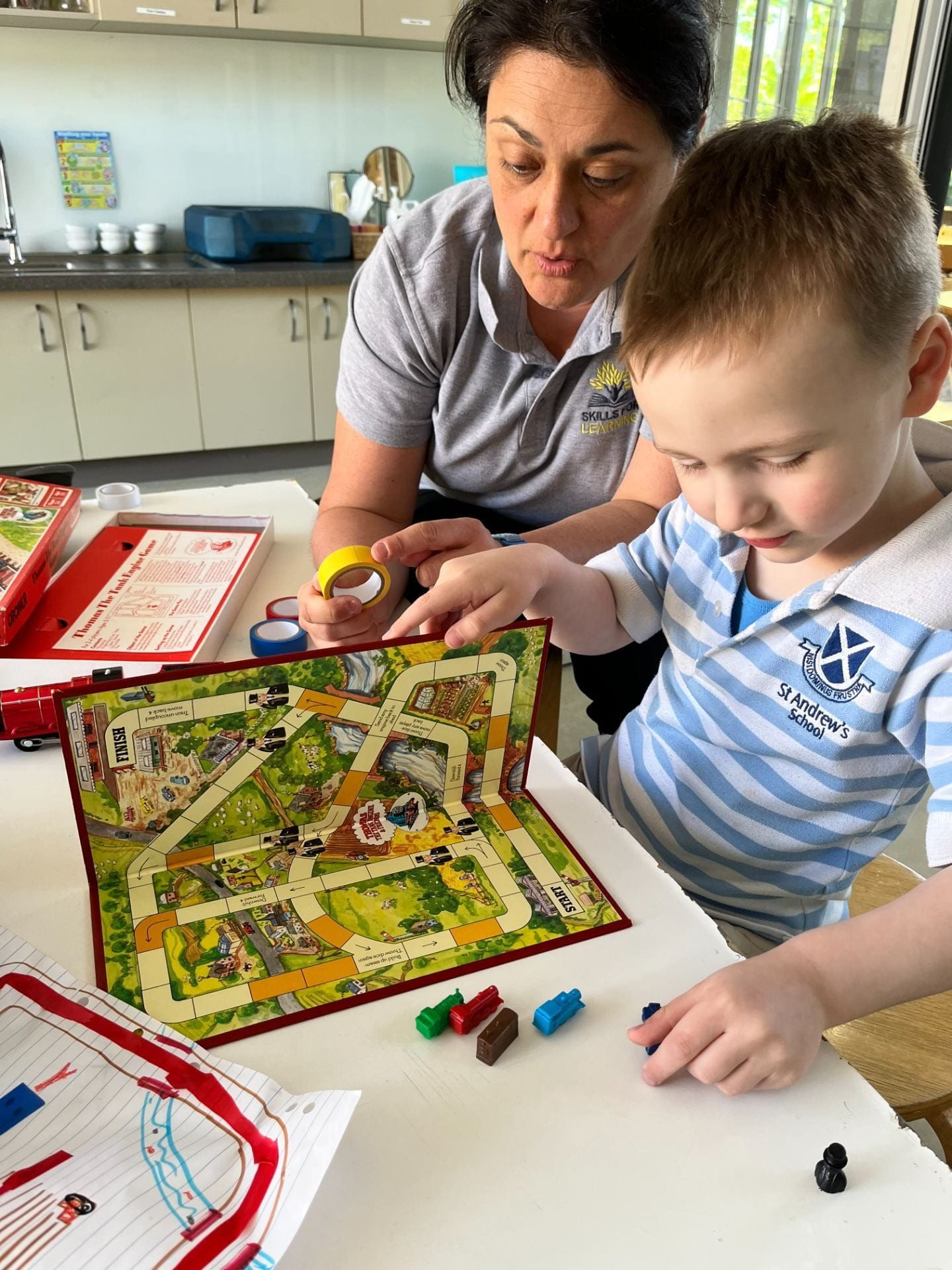
I met Tatiana in 2020, when my son Edison was three and attending the ELC at St Andrew’s School. It was at this time that our family began the journey toward his diagnosis and early intervention. Tatiana’s knowledge, guidance, and compassionate approach were invaluable. She supported us through every step — from navigating the NDIS process and interpreting reports to collaborating with teachers and developing his PPL plans.

Tatiana has an exceptional ability to connect with children. Edison adores her. She understands how he thinks, supports him through challenges, and celebrates his successes with genuine care. She consistently reminds us of the progress he has made and approaches her work with both professionalism and heart. I trust her implicitly with my most precious responsibility — my child — and she continues to have a profound impact on our lives, for which I am deeply grateful.

With this in mind, you can imagine my delight in learning that Tatiana would be presenting to staff during our professional development day at St Andrew’s School. While much of the content was familiar to me through our ongoing conversations, the session allowed us to explore these ideas in greater depth. It was a thoroughly engaging and valuable experience.

PD Notes:

Learning Goals: 

  • To develop an understanding of the basis of occupational performance
  • To use PEO (Person, Environment, Occupation) model of human occupation to explore child development and behaviour
  • To understand the neuroscience of brain development
  • To understand regulation and behaviour through a sensory lens
  • To develop an understanding of the importance of sensory modulation in child development and the impact on regulation
  • To understand executive function skills and their development
  • To apply new knowledge to explore teaching and learning practices

PEO (Person, Environment, Occupation) model

  • Person: the learner
  • Environment: the classroom, the places we learn and engage
  • Occupation: the tasks, work to be undertaken

Occupation Performance Domains: refer to the areas of daily life in which individuals engage, participate, and find meaning. These typically include self-care, work or school, leisure, social participation, and play, highlighting how people function and thrive in everyday activities.

Central Nervous System: (CNS), made up of the brain and spinal cord, controls how the body processes information, responds to the environment, and regulates movement, emotions, and bodily functions.

What is Sensory Processing? Sensory processing is the way the brain receives, organises, and responds to information from our senses. This includes sight, sound, touch, movement, balance, and body awareness. It underpins all learning, behaviour, and daily functioning, influencing how we attend, move, regulate emotions, and interact with the world. When sensory processing is well supported, individuals are better able to engage, learn, and thrive.

What are Meltdowns:

Meltdowns are intense, involuntary responses to sensory, emotional, or cognitive overload. They occur when a person’s nervous system becomes overwhelmed and can no longer cope with the demands being placed on it. Meltdowns are not behavioural choices or acts of defiance, but a sign that support, regulation, or recovery is needed.

When a meltdown occurs, children often need up to 45 minutes — or longer — to fully regulate before they are ready to communicate or re-engage. During this time, attempts to talk through or resolve the issue are unlikely to be effective and may escalate the situation. The priority should be safety, calm, and de-escalation. Meaningful discussion and problem-solving are best revisited once the child has had sufficient time to recover — this may be later that day or even the following day — as returning to the issue too soon can re-trigger the meltdown.

For autistic individuals, regulation is best supported through co-regulation and intentional regulation strategies, as the nervous system often relies on external support, predictability, and connection to feel safe and organised.

How can we support neurotypical students to participate and engage in lessons at school?

Neurotypical students engage best when learning environments are predictable and well organised, with clear systems, consistent routines, and strong, trusting relationships. When perceived risk is low and the focus is on process rather than results, students feel safe to participate, take learning risks, and remain engaged.

8 Senses: making meaning out of this world:

https://www.sensoryfriendly.net/you-have-eight-senses-not-five/

Neurodivergent brains often seek dopamine to support motivation, focus, and regulation. When these needs are unmet, individuals may seek stimulation through movement, sensory input, or intense interests. Behaviour is not random or defiant — it is a response to a stimulus and a form of communication, signalling an underlying need that requires understanding and support.

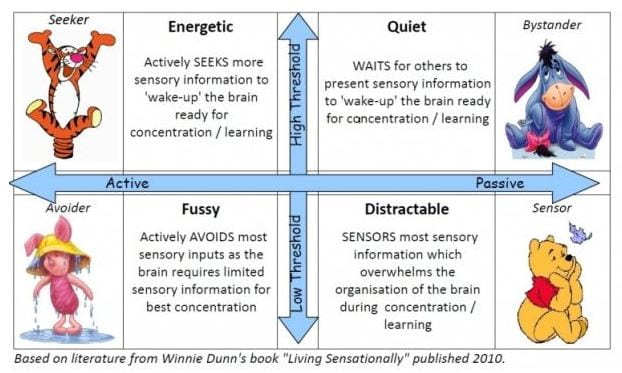
Sensory Profiles: Sensory profiles describe an individual’s unique sensory preferences, sensitivities, and thresholds across different sensory systems. They help explain how a person experiences and responds to sensory input, guiding the supports and strategies needed for regulation, engagement, and learning.


“Living Sensationally” is an approach to understanding and supporting how individuals experience the world through their senses. It recognises that everyone processes sensory information differently and encourages strategies that help people engage, learn, and thrive in ways that align with their sensory needs. The focus is on creating environments, routines, and supports that respect these differences, promoting well-being, participation, and positive experiences. I loved how we reflected on our students and who we would identify as a Tigger (Seeker), Piglet (Avoider) etc.
Window of Tolerance: The Window of Tolerance is the optimal zone where a person can effectively manage emotions, think clearly, and engage with the world. Outside this zone, stress or overwhelm can lead to hyperarousal (anxiety, agitation) or hypoarousal (shut down, withdrawal), making regulation and learning difficult.

What is a neurodivergent brain? A neurodivergent brain processes, perceives, and responds to information differently from the neurotypical brain. It includes conditions such as autism, ADHD, dyslexia, dysgraphia, dyscalculia and others, reflecting natural variations in thinking, learning, and sensory experiences.

Autism and ADHD Shared Characteristics: Autism and ADHD can share traits such as difficulty with attention, emotional regulation, sensory sensitivities, and social challenges. These traits can sometimes resemble responses seen in trauma, such as heightened alertness, avoidance, or emotional outbursts. The key difference is that for neurodivergent individuals, these traits reflect how their brains are wired, rather than a reaction to past experiences. Understanding this distinction helps tailor support and reduce misunderstanding.

These notes were just a few of the key take-aways for me from today’s session with Tatiana.

I hope these resources are useful for you also. It is my hope that our schools and members of the community continue to learn, seek answers and adapt strategies to assist neurodiverse people. As we learnt earlier today during Mark Le Messurier’s presentation about the double empathy problem, we understand that communication difficulties between autistic and non-autistic people go both ways. It’s not just the autistic person who struggles to understand others — non-autistic people may also struggle to understand autistic perspectives. This highlights that misunderstandings are mutual, not one-sided. We need to work together to develop understanding, empathy, respect and find ways to better understand each other.

It has been a wonderful day of learning for me. A lot of the content obviously hit home on a personal level due to my family dynamics, but professionally, I have always been passionate about inclusive education and meeting the needs of individuals in my classroom. I’m pleased to see that schools are continuing to provide opportunities for staff to learn and engage with content that will support best practice for the benefit of our students, staff and families.


Thanks for reading, until next time.
Jade
Posted in 1. Know students and how they learn., 3. Plan for and implement effective teaching and learning., 4. Create and maintain supportive and safe learning environments., 6. Engage in professional learning., Professional Engagement, Professional Knowledge, Professional Practice | Leave a reply

The Changing Face of Neurodiversity

Posted on January 29, 2026 by Jade Peartree
Reply

(Autism, PDA, ADHD) in the community and in schools.

St Andrew’s School, Thursday 22nd January 2026, 9:00-12:30am (3.5 hours)

Presented by Mark Le Messurier: https://marklemessurier.com.au/  

“Mark Le Messurier is a teacher, counsellor, author and public speaker. He works in private practice as a mentor to children and adolescents, and as a coach to parents”.


Today Mark started off by offering this statement:

“There needs to be a revolution in the way we think about, discuss, and respond  to people under the neurodivergent umbrella”.

Participating in the professional development session with Mark Le Messurier on autism, PDA, and ADHD, was both professionally enriching and deeply personal. As a parent of a neurodivergent son, I know firsthand the challenges of navigating systems, advocating for a child, and balancing the demands of motherhood alongside my role as an educator. Becoming a parent also led me to better understand my own neurodivergence and the struggles I have faced both personally and professionally. This session was profoundly affirming, giving voice to the very real challenges experienced by neurodivergent children and their families, and reinforcing the importance of empathy, understanding, and meaningful support within our schools and communities.

These are just a few of my notes and personal take aways from this session. I hope you find them useful and can use this information to inform your practice.

Neurotypical vs Neurodiverse:

We need to redefine the labels: “Autistic people are a wonderful variation of just being human. A way to exist within the complete diversity of human brains”. I loved this decscription.

We need to value different neurotypes because these differences advantage society.

This is the Assistant Minister for Autism- Emily Bourke.


NeuroWild Facebook Page: Great infographics and illustrations explaining neurodiversity. Lots of informative posts and resources.

Emma Hammond: I’m Em, Autistic and ADHD speech pathologist, illustrator, advocate, and Mum to 3 ND kiddos.


Common Autistic Traits:

Autistic traits are natural variations in how individuals think, communicate, process sensory information, and interact with the world. These traits vary widely across the autism spectrum and from person to person, meaning no two autistic individuals are the same. Autistic traits can influence learning, behaviour, and daily experiences to different degrees and often continue across the lifespan, shaping both strengths and challenges.

Aren’t we all “on the spectrum”?

I cannot tell you how many times I’ve heard, “We are all a little bit on the spectrum, Jade,” usually in response to me sharing my own experiences or my son’s challenges as neurodivergent individuals. While some traits may be seen in other people, the key difference is that these traits do not affect their ability to navigate daily life. Comments like this can feel dismissive, as if our lived experiences and challenges are being minimised or treated as something everyone experiences. Please, stop saying that we are all “a little autistic or on the spectrum”—it is simply not true. Being autistic is not a quirk or a personality trait; it is a neurological difference that has a profound impact on everyday living. We are not all neurodivergent, our experiences and reality deserve to be understood and respected.

This video created by @nicoleswift95 is a great clip that explains this sentiment:

@nicoleswift95

https://www.tiktok.com/@nicoleswift95/photo/7598680701889907990?is_from_webapp=1&sender_device=pc

The language we use matters:

We discussed the restrictive language used, describing autism often with negative connotations.

  • The terms “on the spectrum” and “ASD” are not longer appropriate to use. Say autistic person, or a person who is autistic.
  • The word diagnosis refers to a disease, illness or sickness. Lets shift that to the word identification. I was identified as being autistic, instead of I am diagnosed as autistic.
  • Try to avoid language that describes  symptoms or impairments and instead focus on describing the characteristics, challenges or experiences.

Double Empathy Problem:

Double empathy is the idea that communication and understanding are a two-way street: both autistic and non-autistic people can struggle to understand each other. Supporting autistic students isn’t just about “fixing” them—solutions should share mutual responsibility. Strategies that help an autistic student, like clear communication, structure, and respect for differences, often benefit all students.

How the community are catering for neurodiverse people?

Sensory Shopping Hours example

“20-week Neuro Affirming program” specifically named for Banksia Park International High School in the search results, the school is likely engaged in neurodiversity-affirming practices, potentially using resources like the globally recognised LEANS program (Learning Education for Autism Neurodiversity Social Skills) or similar initiatives, which support neurodivergent students and foster inclusive classrooms, aligning with broader trends in Australian education for autism and ADHD support. 


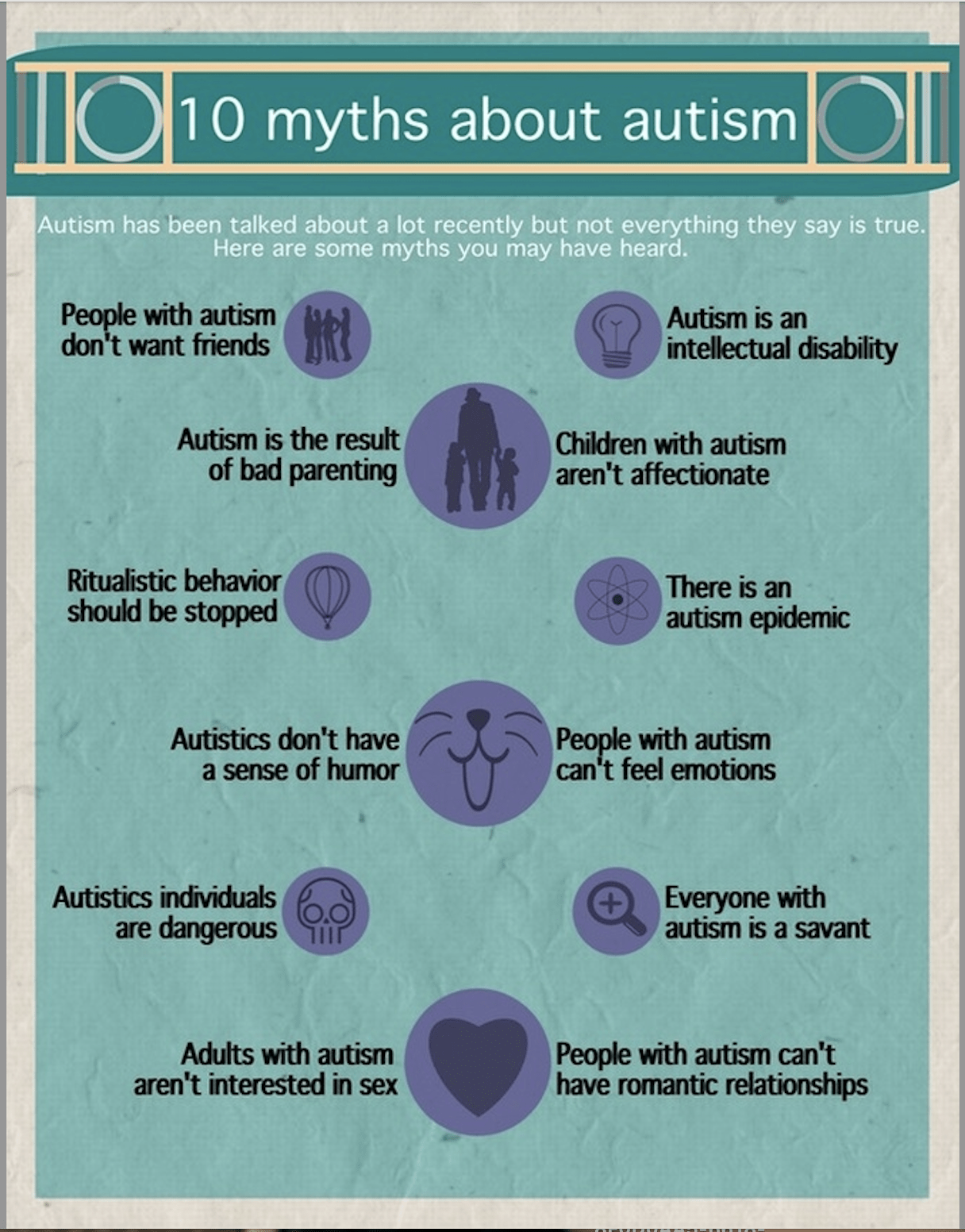
10 Common Myths about Autism:

Increased community awareness has meant that there is more understanding and more people are being identified as neurodivergent.

Cooccurring conditions: It is recognised that 70% of autistic people have other cooccurring conditions. Autism, ADHD (80%), Dysgraphia (60%), Dyscalculia, Dyslexia, Executive Functioning difficulties, Anxiety, etc

This is something that I have been investigating personally. Many traits overlap with other conditions, and this can be confusing. Just remember that if you know one individual with autism, they will not be the same as a another person with autism. They will have different challenges, different sensory profiles, different coping mechanisms and different communication skills just to name a few. Whilst some traits can be similar, it’s not a one fits all approach. Get to know the individual and learn to understand their needs.

Identifying and Diagnosis:

  • 5:1 ration Male to Female diagnosis. The diagnostic criteria for autism in the DSM (Diagnostic and Statistical Manual of Mental Disorders) were largely developed from early research that focused on boys, which has contributed to the underdiagnosis of girls.
  • Males are also diagnosed more often, as their conditions can be more outwardly visible.
  • Autistic girls and masking: Girls are often better at hiding their conditions and struggles, imitating the social norms and mimicking their neurotypical peers. This can be one reason why they are often diagnosed later in life or not at all.
  • On average, girls are diagnosed 4 years later than boys.

During this part of the presentation a colleague and friend of mine said “Jade this is your special interest!” I could go on about this more. Here are some additional points I’d like to share:

How this disadvantages girls:

Many autistic girls present differently, but these differences were not reflected in the original research or DSM descriptions.

Girls are more likely to:

  • mask or camouflage autistic traits by copying peers, scripting social language, or forcing eye contact

  • have socially acceptable special interests (e.g. animals, books, celebrities) that are not flagged as unusual

  • internalise distress, leading to anxiety, perfectionism, or shutdowns rather than disruptive behaviour

  • show strengths in early language, which can hide underlying social communication differences

Because the DSM criteria emphasise observable social and behavioural differences, girls who appear “social” or “well-behaved” are often missed.

Diagnostic bias in schools and healthcare:

Teachers and clinicians are more likely to refer:

  • boys who are disruptive or struggling academically

  • children whose autism impacts others visibly

Girls are often described as:

  • “shy,” “anxious,” “sensitive,” or “good but struggling”

  • coping until demands increase (often in late primary or adolescence)

Many autistic girls are instead diagnosed with anxiety, depression, eating disorders, or ADHD, while the underlying autism remains unrecognised.

Consequences of underdiagnosis:

Late or missed diagnosis can lead to:

  • chronic anxiety and burnout

  • identity confusion and low self-esteem

  • lack of appropriate supports and accommodations

  • increased mental health challenges in adolescence and adulthood

My hope is that we (educators) can begin to recognise these traits in both genders and do what we can to support our students/ children as best as we can, even without a formal diagnosis.

Causes of Autism: Autism has no single cause. It is a neurodevelopmental difference that arises from a combination of factors. Research shows it is highly genetic, often running in families, but it can also occur spontaneously due to new genetic variations. Brain development differences begin before birth, and while environmental factors may influence development, autism is not caused by parenting, trauma, or vaccines.

Emily Perl Kingsley:  

Mark read us a poem called Welcome to Holland. It was something I connected to personally, becoming a parent to a neurodivergent child. It was also uncanny that my father is from Italy and my husbands mother is from Holland! This has been recommended as a great read for parents of children who are autistic. Below is an attachment of the poem that was shared in the PD.

Welcome To Holland by Emily Perl Kingsley

Pressures for parents of neurodiverse children: 

  • Parents raise children alone, no extended family to support.
  • On average, parents wait 3 years on a waiting list to have a diagnosis
  • It costs $3000 for a private assessment, which many parents cant’ afford.
  • Once diagnosed, lengthy reports are given, they are hard to understand, there are no follow ups on the report, no support is provided. This process is brutal leaving family distressed and not knowing where to turn.
  • NDIS access, complexities of signing up, having reviews, managing funds
  • Funding applications take hours, schools receive funding but often limited and comes with conditions.
  • Mental stress, planning, managing every aspect of daily life, leaving the house, planning trips, going to new places, all need an action plan and back up plans.

This one hit home! I cannot tell you how stressful these processes are! The time required to set up the NDIS Plan, do yearly reviews, schedule appointments for OT, Speech Therapy, Feeding Therapy, Psych session, purchase medications, applying for special Health Care Cards, filling in medical documentation for school, OSHC, attending additional meetings at school with teachers etc. The list goes on and on! This is all additional to “normal” life. My “life admin” is crazy! I have to be super organised and on top of everything. Luckily I have a supportive husband at home, but a lot of people (mostly mums in my experience) do this all alone. It is a huge mental load.

We recently returned from an 8 week overseas trip in the UK. It was an amazing holiday, but it was also highly stressful. I had to arrange a Social Story book for every aspect of the trip. Get a sunflower lanyard so we would be assisted in airports. Plan exit strategies or back up plans for every outing. We had to cancel some outings last minute due to meltdowns, refusals, or anxiety. We booked Premier Inn hotels the most for accommodation as the rooms looked exactly the same, creating a sense of consistency for our son.

Social Story Book Example: Our Peartree Holiday. This is just the PDF, but we made this on BookCreator and had recorded our voices explaining things on each page.

Our Peartree Holiday

(PDA) Pathological Demand Avoidance

Pathological Demand Avoidance (PDA) is increasingly understood as a persistent drive for autonomy, where individuals experience everyday demands as overwhelming or threatening to their sense of control. This is not about defiance or choice, but a nervous-system response to feeling pressured. To cope, individuals may avoid demands in creative or indirect ways, particularly when anxiety is high. Supporting a persistent drive for autonomy involves reducing direct demands, offering choice and flexibility, using collaborative language, and building trust so individuals feel safe, respected, and in control.

PDA Checklist:

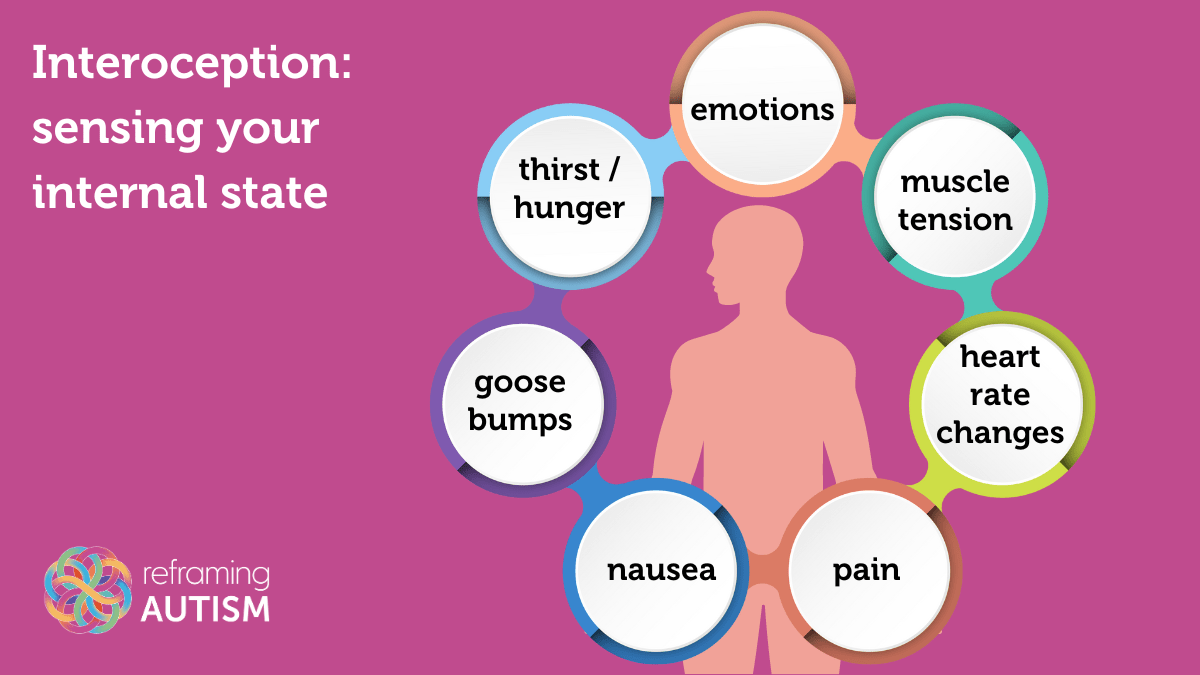
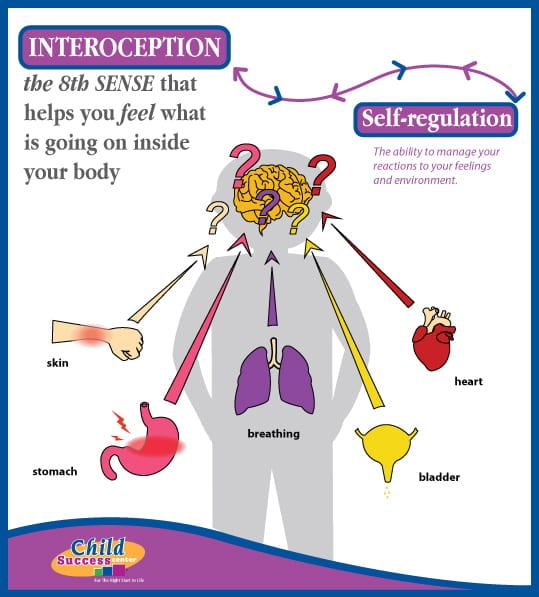
Interoceptive Skills:

Interoception is the sense that helps us notice and understand signals from inside our body. It tells us how we are feeling physically, such as when we are hungry, thirsty, tired, or need to go to the toilet.

For many children, these body signals are not always clear or easy to recognise. They may need explicit reminders and support to tune into what their body is telling them. This can include reminders to:

  • Go to the toilet

  • Drink water

  • Eat snacks or meals

  • Notice feelings like tiredness or discomfort

Supporting interoception helps children build independence, wellbeing, and self-regulation by learning to recognise and respond to their body’s needs.

Attached below is the Education Department curriculum for interoception:

ready-to-learn-interoception-kit (1)

Autistic Masking:

Autistic masking involves a significant amount of effort as individuals consciously suppress or hide their natural responses, behaviours, and needs in order to fit in and be accepted socially. While masking may help autistic people navigate social expectations, it often leads to exhaustion, anxiety, meltdowns, and long-term burnout. Over time, masking can send the harmful message that their authentic self is not good enough, impacting self-esteem and wellbeing. Recognising and reducing the need for masking is important in creating safe, inclusive environments where autistic individuals can be themselves.

Stimming:

Stimming (self-stimulatory behaviour) is a natural and important part of how many autistic individuals regulate their emotions, focus, and sensory experiences. It can include movements or sounds such as hand-flapping, fidgeting, rocking, or repeating words. In the classroom, stimming helps students express themselves, manage stress, and feel calm and safe. Recognising stimming as a valid form of communication and self-regulation supports inclusion and affirms that it is an accepted part of who they are. Talking about stimming and behaviours to your students is a great way to create an environment of acceptance and understanding.

What helps neurodivergent students?

Neurodivergent students are best supported through patience, kindness, and understanding, alongside strong relationships built on genuinely getting to know each child.

Effective supports include:

  • Reasonable accommodations that work around individual needs
  • Finding flexible solutions to challenges, and incorporating students’ special interests to increase engagement and motivation.
  • Clear structure is essential—chunking tasks, breaking learning into manageable steps,
  • Outlining expectations, and regularly checking in to support understanding.
  • Providing clear, easy-to-read printed resources, visual supports,
  • Predictable routines, and opportunities for movement and regulation further supports confidence, independence, and success in the classroom

Guest Speaker Will Day:

Will Day is an inspiring young man who has worked closely with Mark for many years. Autistic himself, Will shared his personal experiences and challenges from his time at school, offering powerful insights that prompted a room full of educators to reflect deeply on how they can better support and adapt learning environments for neurodivergent students. He spoke with remarkable confidence, passion, and authenticity—a great communicator who was captivating to watch. His presentation was deeply emotional, motivational, and moving, leaving many in the room visibly affected and brought to tears. For me, it also sparked a strong personal sense of connection and hope. As a parent of a son who is neurodivergent, Will’s story highlighted the real possibilities for success beyond struggle. It was a powerful reminder that positive outcomes are achievable, and that my son is not alone. Thank you Will for sharing your story. It meant a lot to me and many others in the room. Keep doing what you are doing, your work positively impacts others in the community.

(Photo of Will Day and Mark Le Messurier)

After Will’s speech, Mark continued to share his understanding of young people in our community today.

He stated that more children are struggling with increasingly complex emotional and behavioural needs at younger ages than ever before. This highlights the growing importance of early understanding, proactive support, and inclusive, trauma-informed approaches that prioritise regulation, connection, and wellbeing alongside learning.

Why is this happening? 

Children are shaped by their environments and daily exposures to the following:

  • Digital Overload
  • High-Pressure Environments
  • Impact of Global and Societal Crisis
  • Shifts in Resilience Building
  • Compounding Conditions of Trauma

Family structures and concerns:

  • Increased single parent families
  • Increased divorced or separated families, students in split families
  • Poverty, financial pressures in households, access to food banks, 25% increase in cost of groceries over the last 5 years, salaries that don’t match that increase, families struggling to provide.

Suggested Read: The Anxious Generation: How the Great Rewiring of Childhood Is Causing an Epidemic of Mental Illness is a 2024 book by Jonathan Haidt. It argues that the spread of smartphones, social media, and overprotective parenting have led to a “rewiring” of childhood and a rise in mental illness.

Final Thought:

Professional development opportunities like this remind us that inclusion begins with understanding, listening, and a willingness to reflect on our practice. Thank you to Mark LeMessurier for an insightful and thought-provoking professional learning session. I have taken a while to write this blog post as it means a lot to me and I wanted to get the content “just right”. It is important to advocate and get this message out there.

Thank you.

If you found this blog useful please let me know. I’d also love to know how this will impact your teaching and approaches in your classroom. Thanks.

Until next time!

Jade

Posted in 1. Know students and how they learn., 3. Plan for and implement effective teaching and learning., 4. Create and maintain supportive and safe learning environments., 6. Engage in professional learning., 7. Engage professionally with colleagues, parents/carers and the community., Professional Engagement, Professional Knowledge, Professional Practice | Leave a reply

Recent Posts

  • Occupational Therapy: Tatiana Arellano
  • The Changing Face of Neurodiversity
  • IPSHA EAL/D Collegial Group Meeting Term 3 2025
  • Introductory Cultural Intelligence (CQ) Workshop
  • Toddle AI Professional Development

Twitter Feed

Tweets by @jadevidovich

My Purpose

As an educator I feel it is one of my responsibilities to reflect on my professional practice. This in turn will assist me in developing my teaching knowledge, skills and standards. My professional blog will record my progress and provide evidence of my development. I will be using the AITSL teaching standards to address and meet teacher registration guidelines.

Recent Comments

  • Jade Peartree on 2024 Seesaw Refresh Course
  • John on Problem Solving Masterclass PD T1 2025
  • Rajesh on 2024 Seesaw Refresh Course
  • Jade Peartree on EAL/D Demonstration Lesson: Why Dogs Are So Cute!
  • Trish Tynan on EAL/D Demonstration Lesson: Why Dogs Are So Cute!

Categories

  • 1. Know students and how they learn.
  • 2. Know the content and how to teach it.
  • 3. Plan for and implement effective teaching and learning.
  • 4. Create and maintain supportive and safe learning environments.
  • 5. Assess, provide feedback and report on student learning.
  • 6. Engage in professional learning.
  • 7. Engage professionally with colleagues, parents/carers and the community.
  • AITSL Teacher Standards
  • Professional Engagement
  • Professional Knowledge
  • Professional Practice
  • Uncategorized

Archives

  • January 2026
  • November 2025
  • October 2025
  • August 2025
  • April 2025
  • January 2025
  • September 2024
  • July 2024
  • June 2024
  • March 2024
  • January 2024
  • September 2023
  • March 2023
  • October 2022
  • September 2022
  • March 2022
  • October 2021
  • June 2021
  • August 2020
  • March 2020
  • October 2019
  • September 2019
  • August 2019
  • January 2019
  • December 2018
  • July 2016
  • January 2016
  • October 2015
  • May 2015
  • April 2015
  • January 2015
  • October 2014
  • September 2014
  • August 2014
  • June 2014
  • May 2014
  • February 2014
  • December 2013
  • August 2013
  • July 2013
Edublogs Default by Edublogs
Skip to toolbar
  • About WordPress
    • Get Involved
    • About Edublogs
    • Learn WordPress
    • Edublogs.org
    • Documentation
    • Contact
  • Class - Pro
  • Log In